
The corporate hierarchy is facing a silent crisis. For decades, the standard path to advancement has remained unchanged: individuals who excel at technical tasks or hit their functional targets are rewarded with a promotion into management. A brilliant software engineer becomes a tech lead; an exceptional sales representative is made a regional sales head. However, the skill sets that make someone an elite individual contributor have almost zero overlap with the skills required to lead a human team.
When organizations push raw technical talent into managerial roles without a structured transition blueprint, the entire enterprise suffers. Teams lose their strategic alignment, psychological safety deteriorates, and employee turnover begins to climb. To solve this structural issue, forward-thinking enterprises are shifting their focus away from traditional classroom-style workshops and investing heavily in professional growth. Implementing targeted leadership coaching for managers is no longer just a progressive HR project; it is a critical operational imperative for survival in today’s high-stakes corporate environment.
The Missing Link in Modern Organizational Design
Middle managers occupy the most challenging space within any modern organizational chart. They serve as the operational bridge between executive vision and frontline execution. They are expected to absorb high-pressure strategic targets from senior vice presidents, translate those targets into daily workflows, and simultaneously maintain the motivation, well-being, and productivity of their direct reports.
Standard management training programs usually focus on administrative compliance—how to approve leave requests, how to complete annual performance appraisals, or how to navigate project management software. While these operational tasks are necessary, they completely ignore the human element of leadership.
This is exactly where leadership coaching changes the game. Unlike static training courses that offer generalized advice, professional coaching focuses on deep behavioral modification, situational self-awareness, and real-time problem-solving. It helps managers understand their unique leadership styles, identify their blind spots, and learn how to navigate complex interpersonal conflicts with confidence.
Building the Modern Manager: Cultivating Critical Manager Coaching Skills
To build an organization that can adapt quickly to market disruptions, managers must stop acting like taskmasters and start acting like developers of talent. They need to transition from managing tasks to coaching people. Developing advanced manager coaching skills is the only way to successfully execute this shift across your entire leadership pipeline.
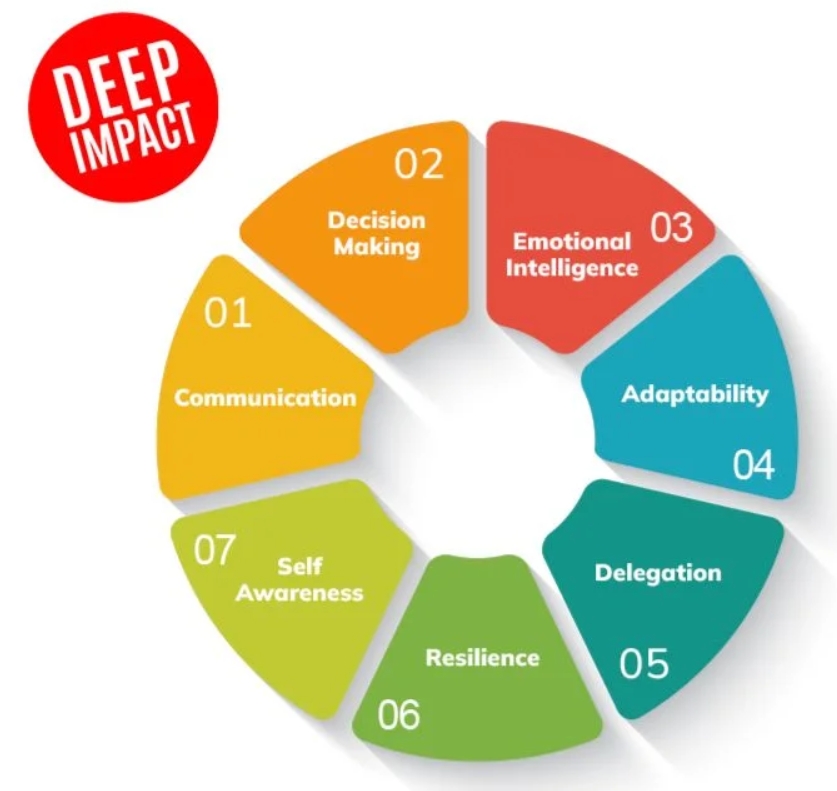
Through tailored training, managers master several critical behavioral frameworks:
- Active Listening Over Active Directing: The best leaders don’t instantly give answers; they hold space to understand the root cause of an operational issue.
- The Power of Powerful Inquiry: Moving away from closed, accusatory questions (“Why did you miss this deadline?”) and moving toward open, growth-oriented inquiries (“What bottlenecks did you encounter, and how can we realign our resources to fix them?”).
- Constructive, Continuous Feedback Loops: Shifting away from stressful, retrospective annual reviews and moving toward real-time development conversations that inspire action rather than defensiveness.
When a manager masters these skills, the cultural transformation across their department is immediate. Teams experience a major boost in engagement, project ownership increases, and minor operational bottlenecks are solved locally before they escalate into company-wide crises.
The Cascading Return on Investment of Development Coaching
When corporate procurement boards review talent development expenditures, they rightly demand to see a clear return on investment (ROI). The financial impact of structured leadership development coaching is deeply visible across multiple corporate health metrics.
Before introducing systematic coaching, organizations often battle high attrition rates due to poor management communication and employee burnout. Once coaching is introduced, employee retention climbs as teams feel supported, heard, and clearly guided.
Furthermore, standard operational agility is often slowed down by micromanagement and approval bottlenecks under untrained managers. Professional coaching empowers these managers to trust their teams, which accelerates overall project execution. Finally, a robust coaching framework solves the problem of empty internal leadership pipelines, ensuring a steady supply of qualified internal candidates who are prepared for quick promotion into critical senior management roles.
The relationship between middle management performance and frontline retention is direct. Industry data consistently proves that employees don’t leave bad companies; they leave bad managers. By investing in professional coaching for your management tier, you are building a highly effective defense against employee turnover and protecting your recruitment margins.
Connecting the Pipeline: From Manager to Executive Leadership Coaching
An enterprise cannot thrive on strong middle management alone; there must be complete alignment across all levels of authority. The leadership frameworks introduced during initial management training should serve as a solid foundation that naturally scales as a leader climbs the corporate ladder.
As high-performing managers transition into enterprise directors, vice presidents, and C-suite roles, their developmental needs naturally evolve. They move away from managing local teams and begin focusing on macro-level strategy, cultural design, and stakeholder management. This is where executive leadership coaching becomes essential.
By establishing a continuous coaching pipeline that begins with new managers and extends all the way to senior executives, you ensure a unified leadership language across your global organization. The strategic vision set by the board is seamlessly executed by mid-level leaders, keeping the entire enterprise focused on the same overarching goals.
The Ultimate Corporate Competitive Advantage
The speed of modern business requires organizations to be faster, more empathetic, and more strategically aligned than ever before. You can no longer afford to let your managers learn how to lead through painful trial and error at the expense of your employee morale and operational budgets.
Investing in leadership coaching for managers is a strategic commitment to the long-term health, culture, and profitability of your organization. It turns struggling managers into inspiring leaders, replaces corporate politics with authentic communication, and builds a sustainable talent pipeline that can confidently guide your business through any future market disruptions.
Lead the Evolution with Neptune Excellence
Building an agile, high-performance organization requires a deliberate, professional approach to human development. At Neptune Excellence, we partner with progressive enterprises to design premium corporate development frameworks that deliver measurable business outcomes. Discover how our tailored corporate programs can transform your management tier into a powerhouse of leadership capability. Contact a Neptune Excellence Corporate Advisory Consultant today to design a customized leadership development framework for your organization.